
supplier capability data
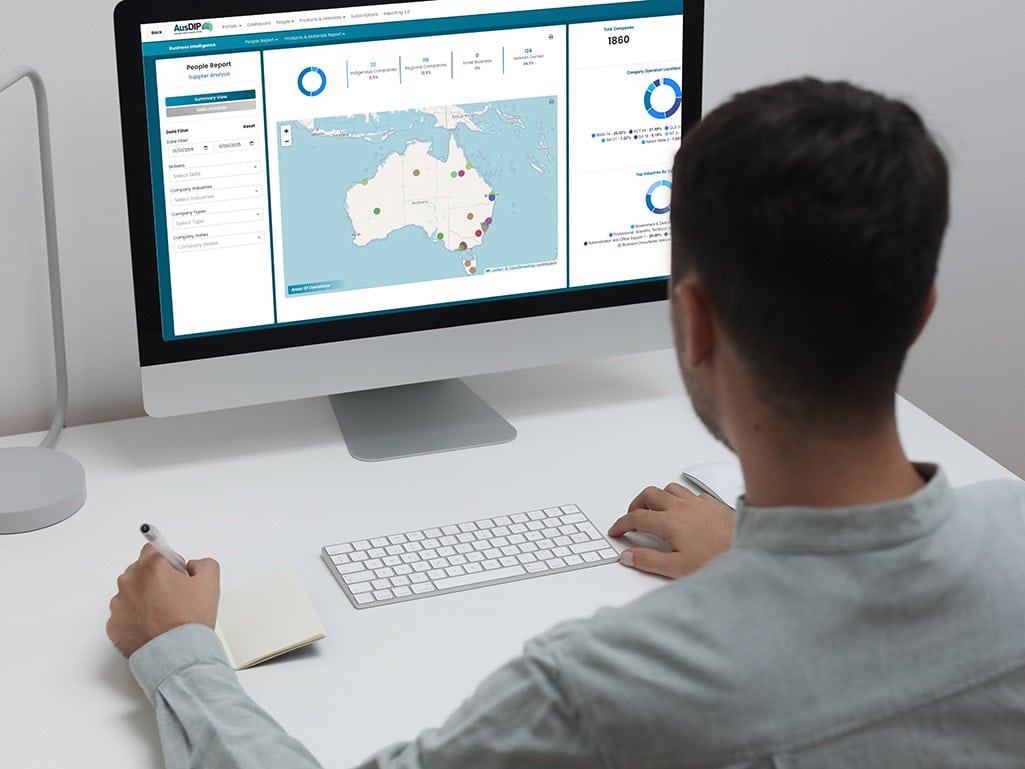
Part 3: Supplier visibility – if you can’t see your supply chain, it isn’t resilient
Part 3 of our 4-part 2026 supply chain series looks at why supplier visibility is the difference between resilience and avoidable delays. When you rely on static lists and outdated reporting, capability gaps and single points of failure stay hidden until delivery is already under pressure. This article explains why live insight matters, what patterns procurement teams need to see early, and how structured reporting helps you act before issues escalate.

Part 2: Local participation targets are failing – tender overload is breaking local content procurement
Part 2 of our 4-part 2026 supply chain series looks at why tender overload is breaking local participation outcomes. When local content procurement relies on wide-open tenders and filters too late, buyers get buried in evaluation and suppliers waste time chasing poor-fit work. This article explains how pre-qualification and capability-based filtering can reduce noise, speed decisions, and make outcomes clearer for suppliers.

Part 1: Early market engagement – why “post it and hope” isn’t a sourcing strategy
Part 1 of our 2026 supply chain series looks at early market engagement, and why “post it and hope” keeps creating delays for both buyers and suppliers. It explains how a persistent supplier profile, capability-based sourcing, and project supplier matching can shift procurement from passive waiting to active engagement, before timelines start slipping.
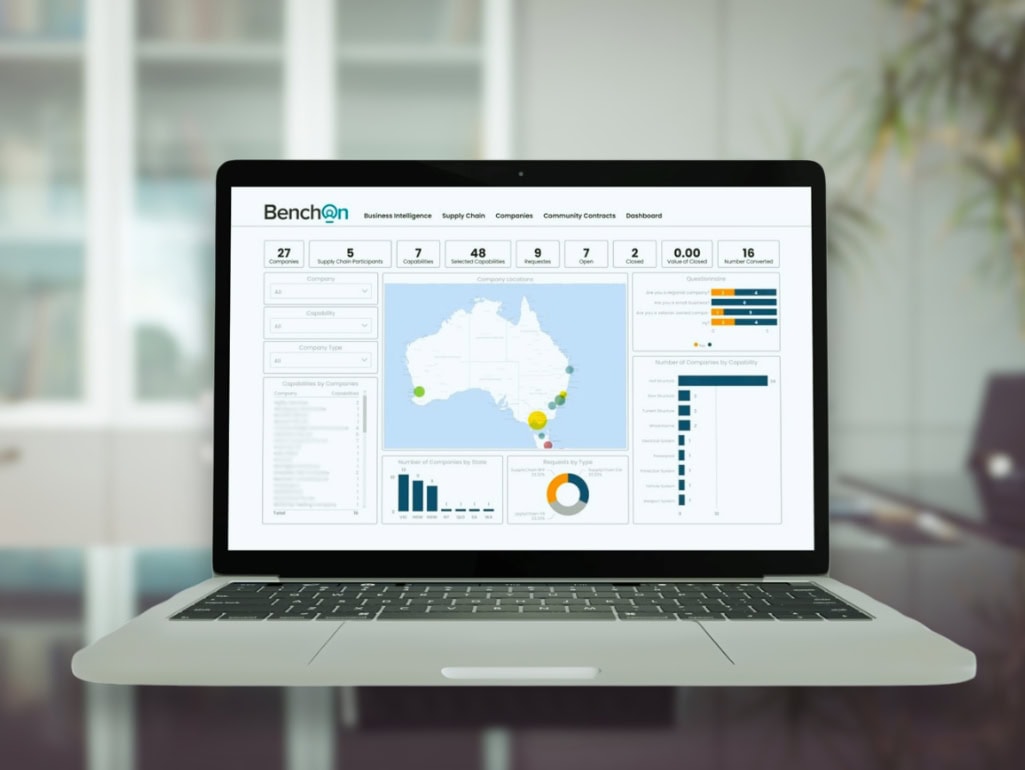
Industry Matching System: Unlocking the Full Power of Industry Through Connected Capability
An industry matching system helps shift industry from siloed effort to connected capability, where strengths are visible, linkable, and ready to activate as opportunity emerges. When capability is structured and searchable, value stops moving in a straight line and starts flowing across a living network, reducing friction, lifting utilisation, and helping the system rebalance when conditions change.

Why Making Suppliers Register for Every Project Is Slowing Industry Down
Across Australia, governments and major projects are working hard to improve supplier engagement, strengthen local industry capability, and streamline procurement. Yet despite these ambitions, an outdated sourcing practice persists in the industry, a manual supplier registration process that requires suppliers to re-register for every single project.